How to sell sustainability when nobody’s buying it.
By Natalie Pidding
The sustainability movement succeeded in creating a new market. Now brands need a new playbook to compete in it.
There was a time when being better for the planet was enough of a selling point. A green label. Recycled packaging. A promise to reduce your carbon footprint. For a generation of environmentally conscious consumers, simply offering a sustainable alternative was a compelling proposition.
But something has changed.
In November, I featured as a cultural strategist in Matt D’Avella’s short documentary about the state of the sustainability movement. It got me thinking about how much the market for sustainable products has evolved, and what that means for the brands competing in it. As sustainable alternatives become more mainstream, being green is no longer enough to stand out. Add years of greenwashing, questionable product performance and cost-of-living pressures, and consumers have become more discerning.
Does it work as well? Does it last as long? Is it worth paying more for? Because while your dishwasher tablet might be biodegradable and packaged in recycled cardboard, if it leaves last night's lasagne stuck to the plate, nobody's buying it twice.
Sustainability alone is no longer enough to win preference. As this market matures, eco-driven brands need more considered ways to differentiate.
Here are three ways-in, from some of the brands leading the charge.
From good for the planet > To good for your wallet.
Between inflation, rising grocery bills, petrol prices and mortgage repayments, our paychecks are being stretched thin. These days, saving the planet doesn't fit into the household budget for many families.
Aussie eco-brand Farmers Pick shows us how to build relevance in this moment. Farmers Pick sells subscription boxes filled with perfectly imperfect produce rejected by major retailers that would otherwise go to waste.
While Farmers Pick could easily have led with its environmental credentials, it instead positions itself around “Better Food, Fairly Priced.” It's a deliberate messaging hierarchy: better value is prioritised first, reducing food waste and helping the planet comes second.
It's smart. When budgets are tight, saving money is a much easier sell than saving the planet.
The lesson: Make sustainability a financial win, not a financial sacrifice.
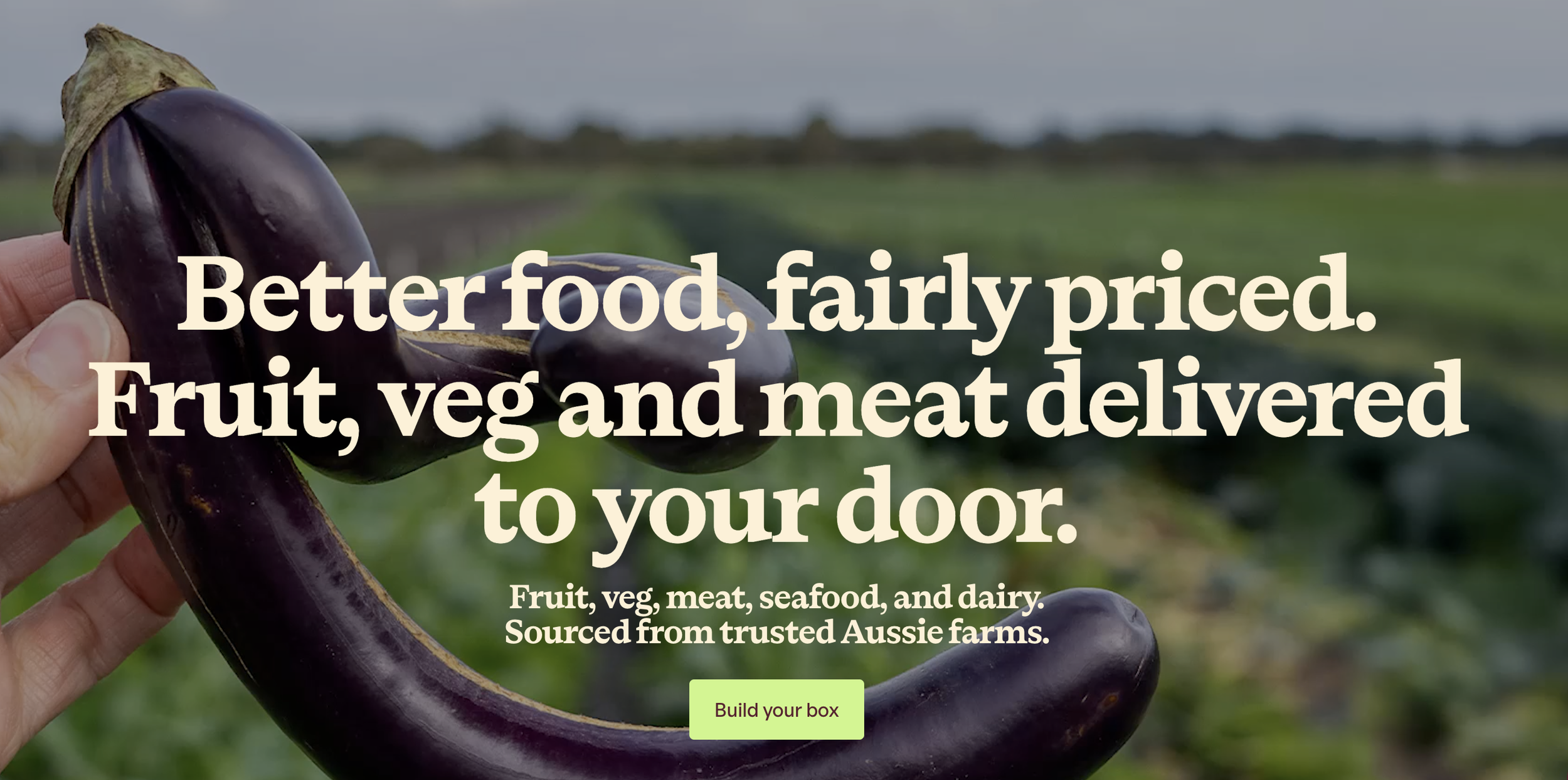
Farmers Pick Homepage - above the fold.
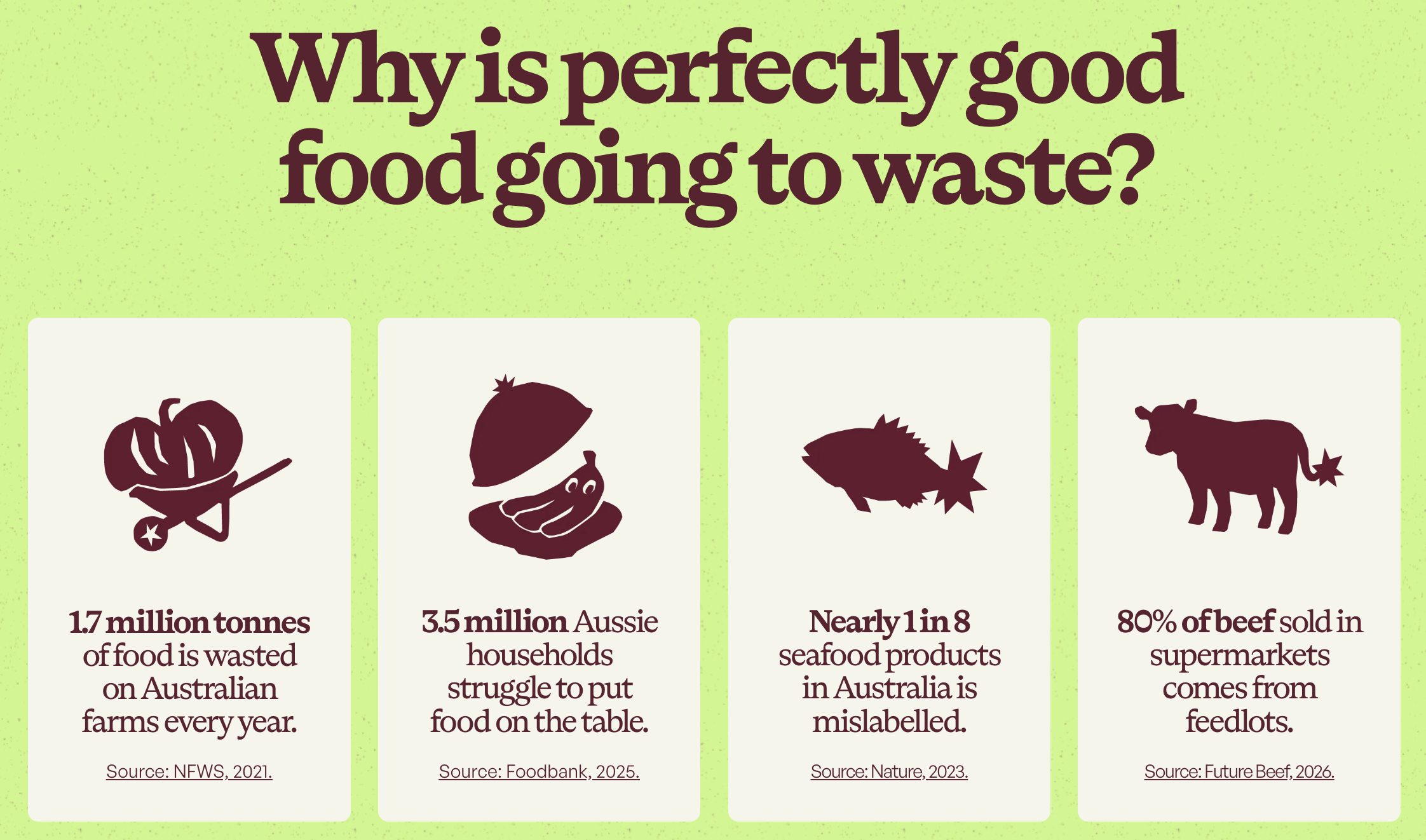
Farmers Pick Homepage - below the fold.
2. From good for the planet > To good for you.
We are being flooded with wave after wave of urgent world and personal crises, all competing for our action. There’s less room for altruism, and self-preservation has become the more immediate priority.
We're observing a new wave of eco-conscious behaviours emerge, only this time, they're being driven by personal health rather than planetary health. Think glass food containers, natural fibres instead of polyester, and the rise of low-tox living. People are buying eco-brands not because they’re being motivated to protect the planet, but because they’re trying to protect themselves.
Koala Eco, an eco-friendly cleaning subscription brand has recognised this shift. Instead of leading with ‘save the planet’ messaging, they’ve anchored their brand in the ethos “More Nature, Feel Better”. It’s a subtle but substantial shift, one where sustainability is still a part of the promise, but personal wellbeing is the driving reason to buy.
The lesson: Make sustainability feel like self-care, not another source of stress.
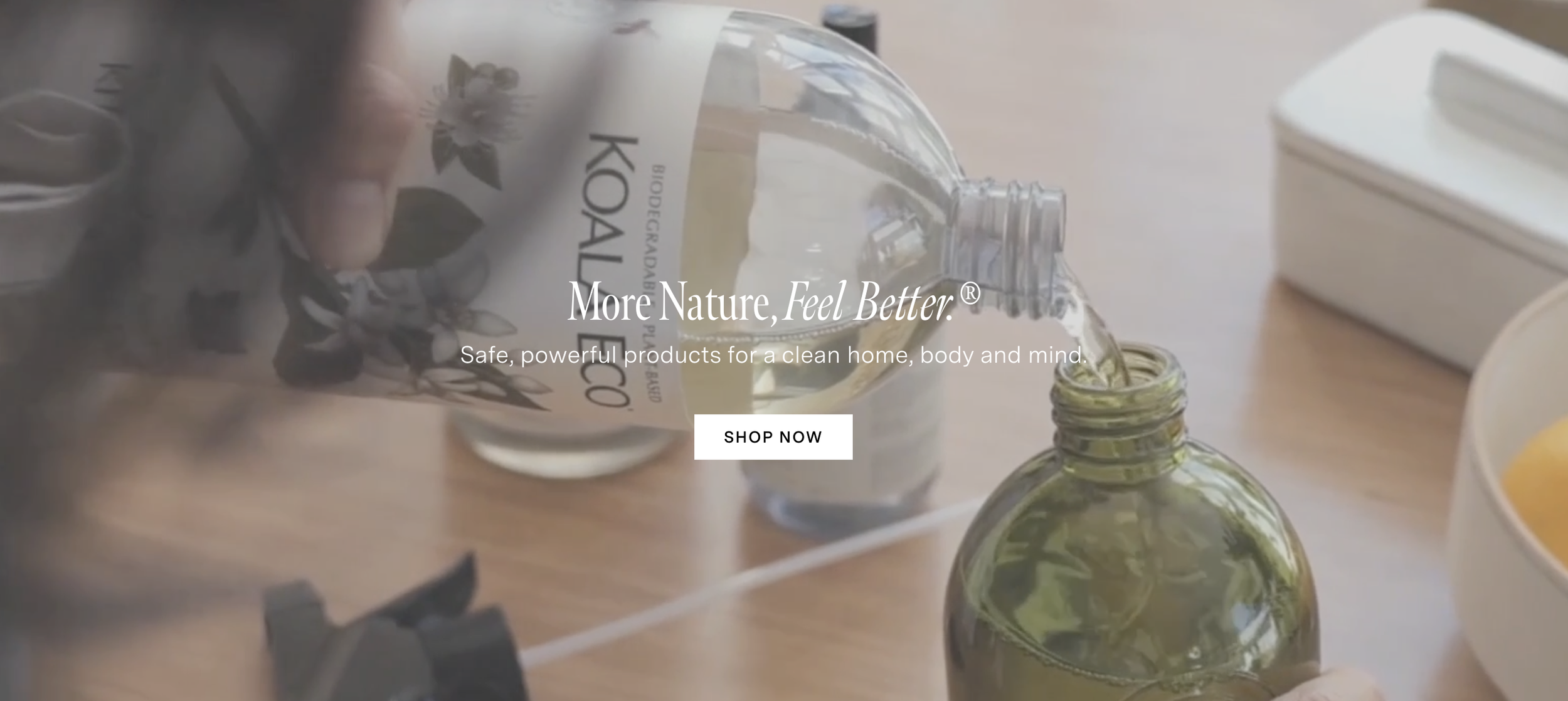
Koala Eco Homepage - above the fold.
3. From good for the planet > To good fun!
(This last one is still so under-utilised, and is perhaps my favourite of the three.)
Somewhere along the way, we decided sustainability had to be serious. Eco-brands parade around in the same shades of green, white and beige. They play it safe, with perhaps a smidge of humour. They avoid anything too bold, daring or provocative. The result? A green sea of sameness. And frankly, a bit of a snoozefest.
A growing group of brands are proving that doing good for the planet doesn't have to be so boring. Enter: colour. Enter: personality. Enter: play.
There's Oatly, turning oat milk into a cult fave with irreverent copy and greyscale illustrative imagery that breaks all category conventions.
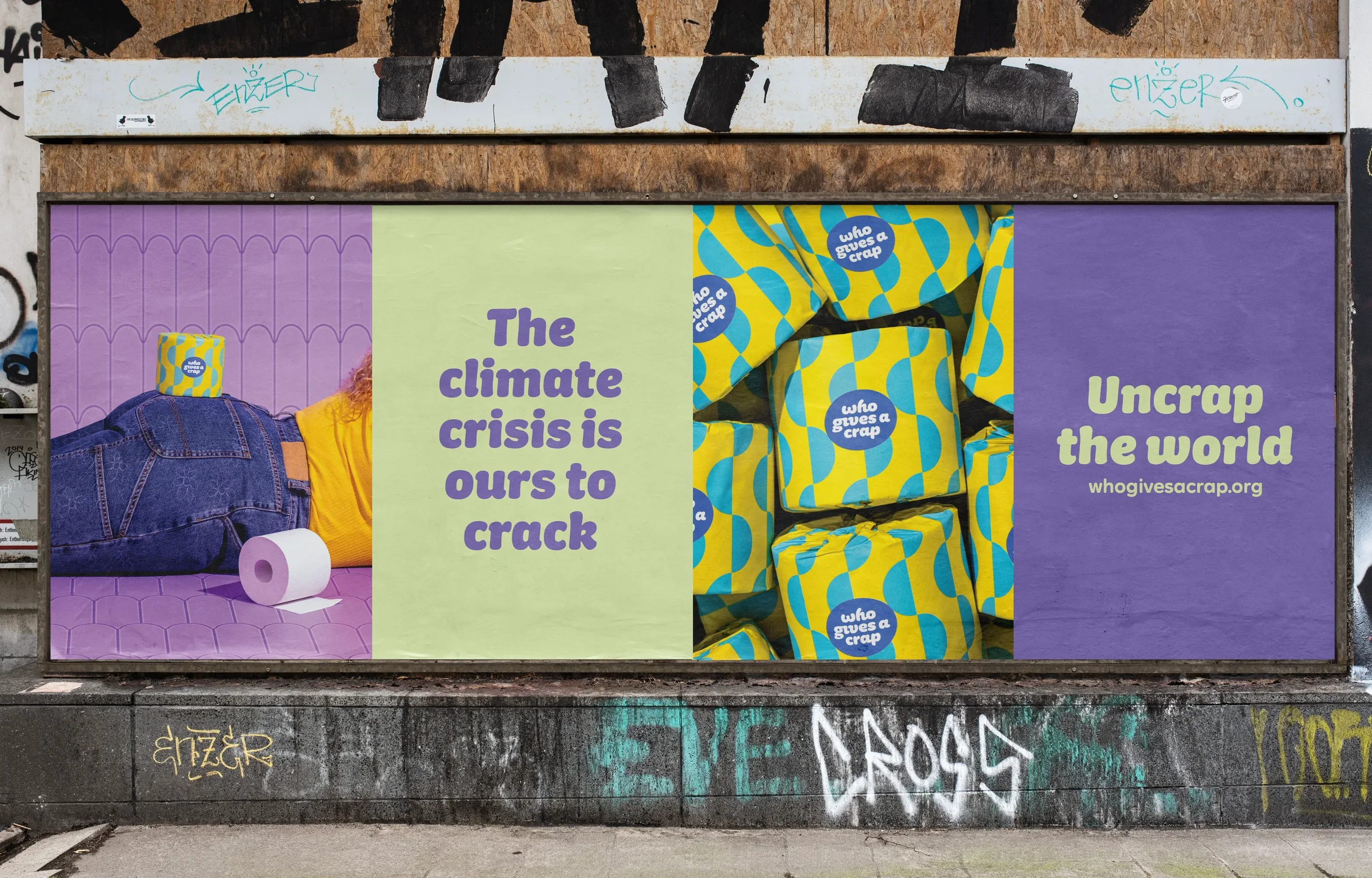
Who Gives A Crap, which cuts through thanks to cheeky humour and iconically loud packaging.
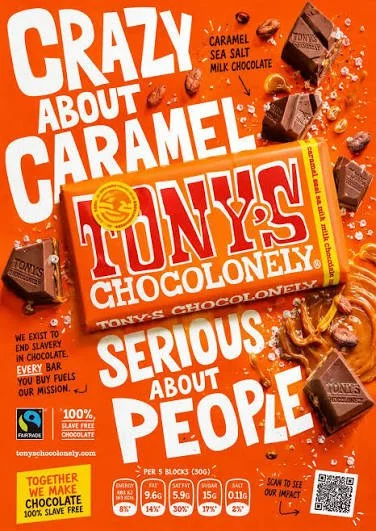
Tony's Chocolonely, tackling serious topics through bold colours and a playful product experience.
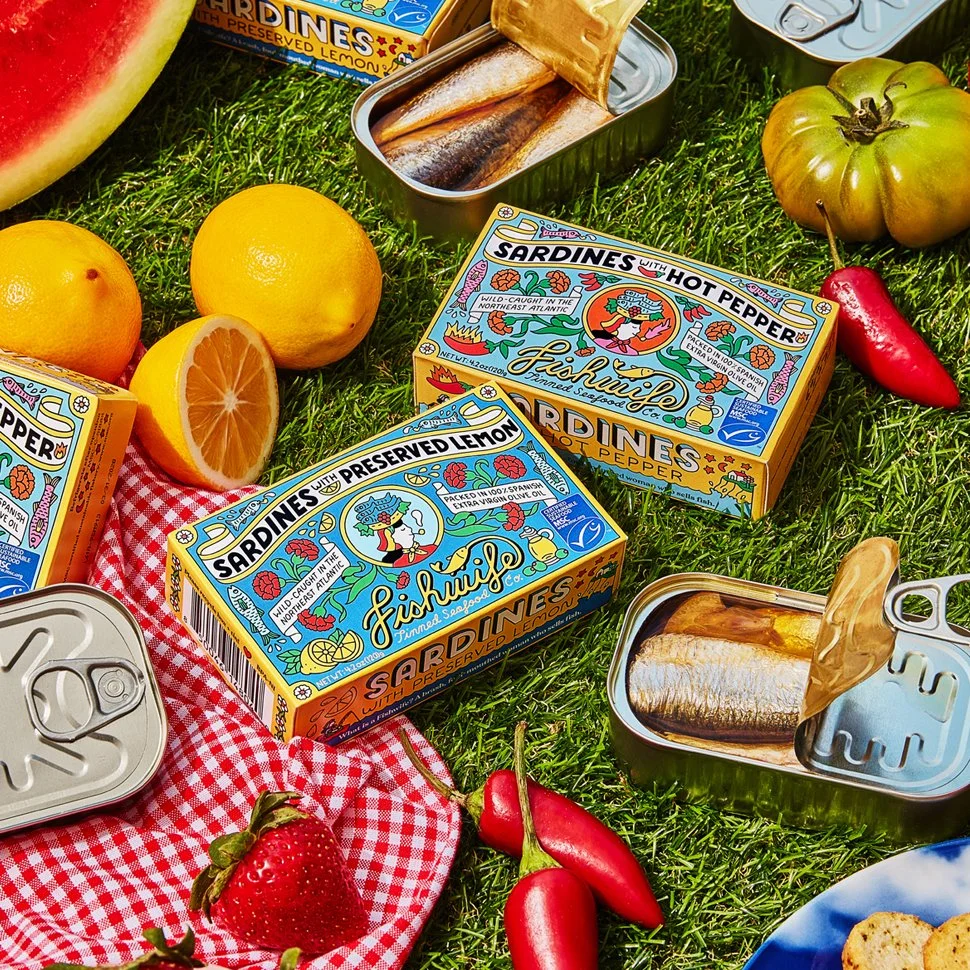
And Fishwife, turning responsibly sourced tinned seafood into a colourful, culturally coveted pantry accessory.
These are brands that have won over our hearts and wallets, and in doing so have made an impact. It’s all so gloriously hopepunk!
The lesson: More fun, and less finger-wagging.
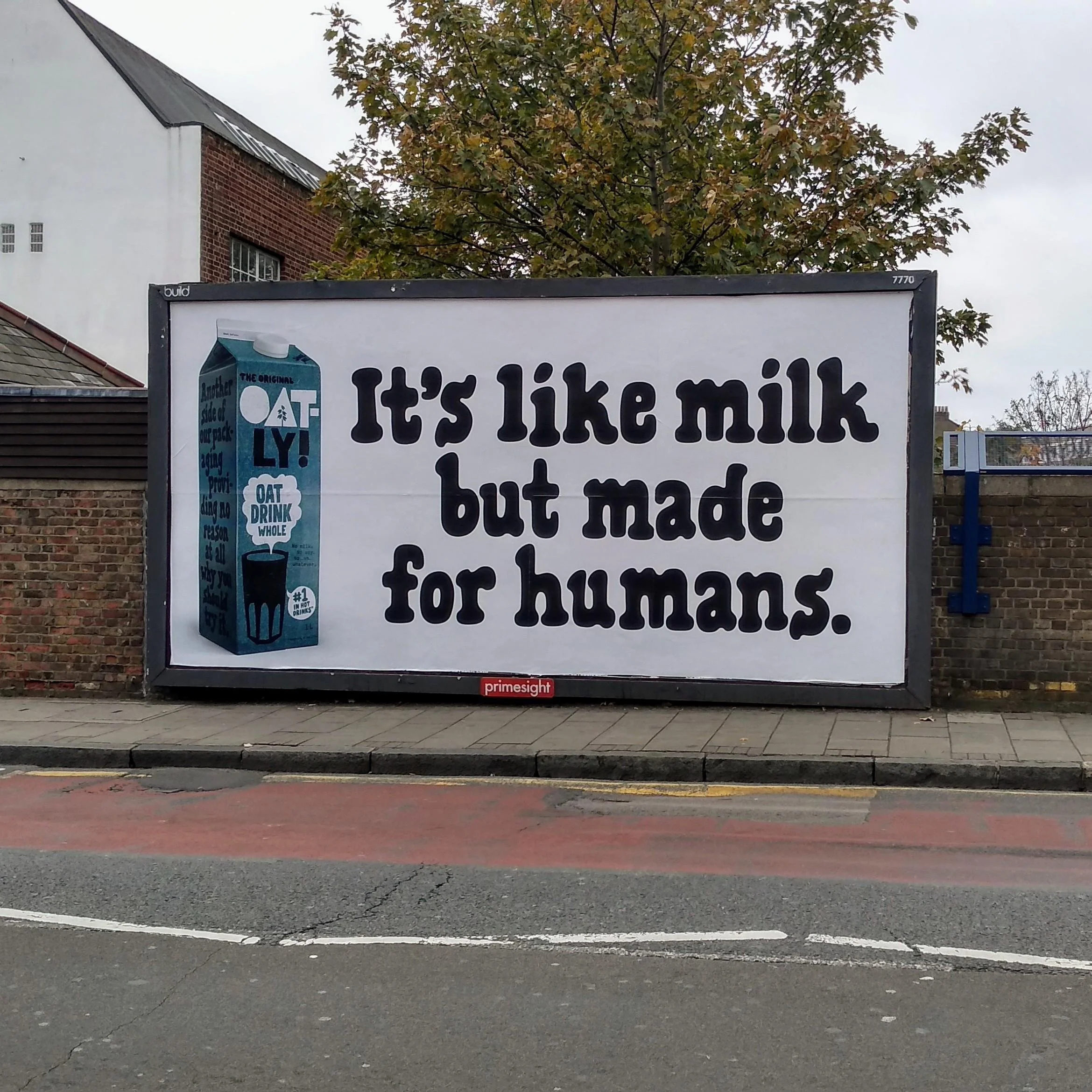
The sustainability movement has come a long way.
It's made us care. It's created demand. It's built an entire market. But perhaps the biggest lesson is that sustainability companies aren't exempt from the fundamentals of branding. Sharp positioning and bold creativity will continue to be what sets eco brands apart.